Understanding Forex: How the Currency Market Really Works

Tomas Kempny
2025-05-10
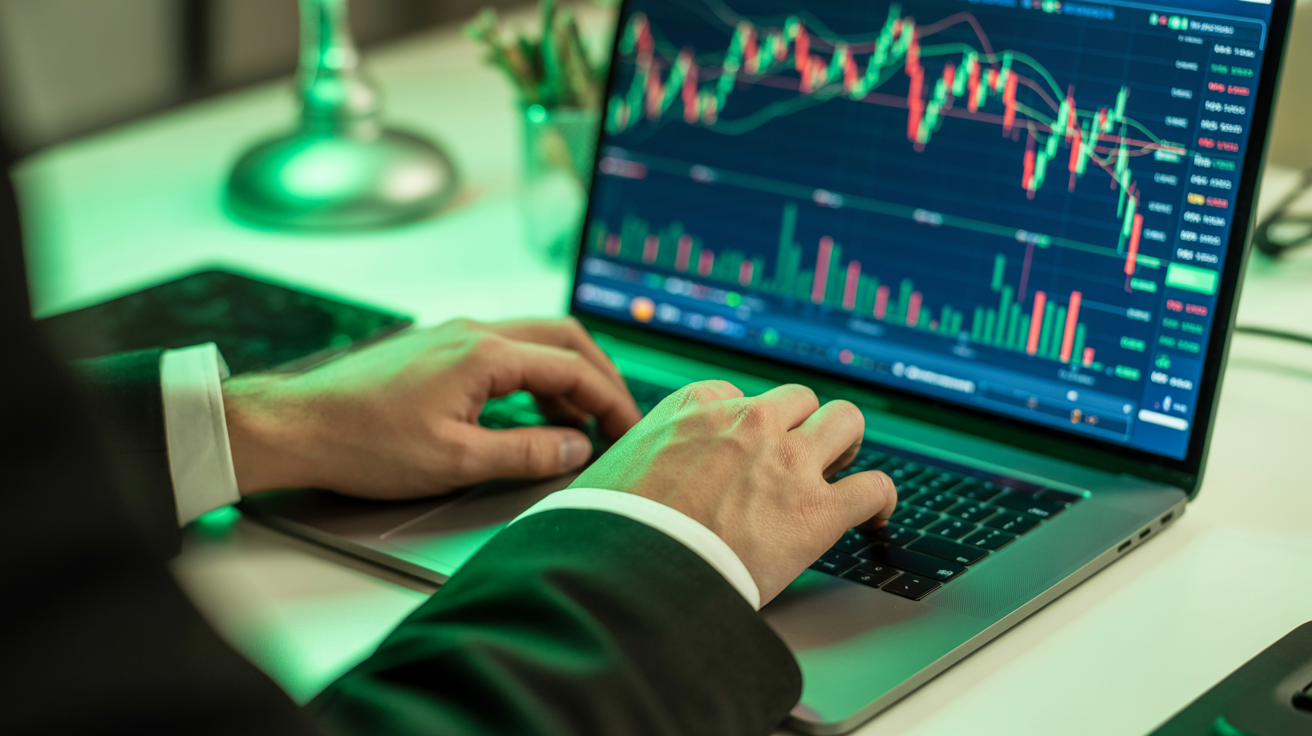
When most people think of trading, they picture Wall Street and soaring stocks. But there is a market that dwarfs global stock markets combined—operating 24 hours a day, five days a week, with a staggering daily trading volume exceeding $7 trillion. This is the Foreign Exchange market, commonly known as Forex.
What is Forex and How Do Currency Pairs Work?
At its core, forex trading is the act of buying one currency while simultaneously selling another. Currencies are always exchanged in pairs. EUR/USD represents how many US Dollars are required to purchase one Euro. If EUR/USD is trading at 1.1000, it means 1 Euro equals 1.10 US Dollars. If you believe the European economy will strengthen, you buy the EUR/USD pair.
The Major Currency Pairs
The vast majority of global volume is concentrated in pairs known as the Majors—all including the USD. The major pairs include EUR/USD, GBP/USD, USD/JPY, and USD/CHF. These pairs feature massive liquidity and the lowest transaction costs. For beginners, sticking to major pairs is highly recommended.
Pips, Lots, and Leverage
Price changes are measured in Pips (Percentage in Point). For most pairs, a pip is the fourth decimal place. Trades are conducted in standardized Lots—a standard lot equals 100,000 units. Brokers provide Leverage, allowing you to control large positions with small capital. With 100:1 leverage, you control $100,000 with just $1,000. While leverage amplifies profits, it equally magnifies losses.
The Market That Never Sleeps
Forex operates 24 hours a day, Monday to Friday. Trading happens across four major sessions: Sydney, Tokyo, London, and New York. The highest volatility occurs during session overlaps—particularly London and New York. This flexibility allows trading regardless of time zone.
Essential Terminology
The Spread is the difference between buy and sell prices—essentially the broker's fee. Going Long means buying a pair expecting it to rise. Going Short means selling expecting it to fall. Understanding these fundamentals is essential before risking real capital.